How Much Do Efficient Heaters Experts Make?


The Comprehensive Guide to Gas Patio Heaters
As outdoor living ends up being increasingly popular, gas patio heaters have actually emerged as an important element for extending the outdoor amusing season. Whether for a cozy evening with good friends or a lively household event, these heaters supply warmth and comfort that can transform any outdoor space. This article checks out the different elements of gas patio heaters, including their types, benefits, operational mechanics, upkeep suggestions, and considerations for acquiring one.
What is a Gas Patio Heater?
A gas patio heater is a kind of heating appliance designed particularly for outdoor usage. Typically fueled by propane or gas, these heaters produce warmth to fight the chill of the evening air, enabling outdoor social activities to continue even under cooler temperature levels.
Types of Gas Patio Heaters
Gas patio heaters come in a number of different styles, each suited for different needs and aesthetics. The common types consist of:
Freestanding Heaters:
- These are the most common type and are usually tall, with a large base and a heater aspect at the top.
- They can quickly be moved around and are suitable for various outdoor settings.
Tabletop Heaters:
- Smaller and more compact, tabletop heaters are created to rest on tables or other surfaces.
- They supply heat for smaller areas and are normally much easier to keep.
Wall-Mounted Heaters:
- These are repaired to a wall and are a great alternative for outdoor patios with minimal space.
- They use a more long-term heating option and can match outdoor decor.
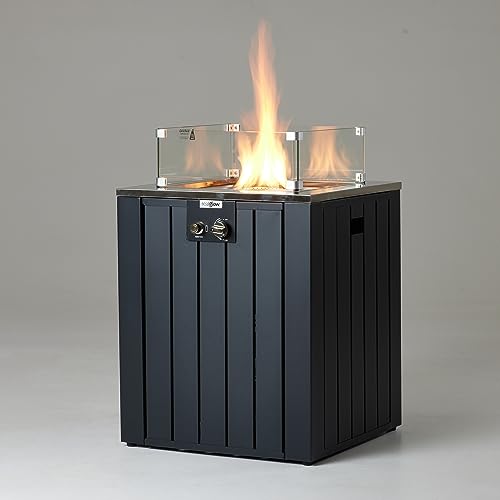
Patio Fire Pits:
- While not solely heaters, gas fire pits provide warmth and ambiance concurrently.
- They can act as a focal point for outdoor gatherings.
| Heater Type | Description | Best For |
|---|---|---|
| Freestanding | Tall, mobile systems with a heating element on top | Big open areas |
| Tabletop | Compact designs ideal for table surfaces | Little events |
| Wall-Mounted | Repaired units offering constant warmth | Smaller sized patio areas |
| Patio Fire Pits | Integrated heating and ornamental function | Ambiance and heat |
Advantages of Gas Patio Heaters
Purchasing a gas patio heater uses various advantages:
- Extended Outdoor Enjoyment: Gas heaters allow house owners to enjoy their patios even during chillier months.
- Quick Heating Capability: Gas heaters heat up quickly, offering immediate relief from the chill.
- User-Friendly Operation: Most gas heaters feature simple ignition controls for ease of use.
- Aesthetic Appeal: Many gas heaters are created to be aesthetically attractive, improving the general look of your outdoor space.
- Flexible Fuel Options: Availability of both propane and gas models caters to various needs and preferences.
Functional Mechanics
Gas patio heaters operate by transforming fuel into convected heat. Here's a simplified breakdown of how they work:
- Fuel Source: Most gas heaters utilize propane or gas. The type of fuel impacts performance and schedule.
- Ignition System: Most designs include either a manual ignition (utilizing a lighter or match) or an electronic ignition (push-button).
- Heating Element: Once ignited, gas flows through a burner, where it is combusted to create heat. Radiant heat spreads from the heating aspect.
- Heat Diffuser: Some heaters have a reflector to assist distribute heat more uniformly across a wider area.
Fuel Comparison
| Fuel Type | Pros | Cons |
|---|---|---|
| Propane | Portable, extensively offered | Needs tank replacement/refill |
| Natural Gas | Cost-efficient if linked to a supply | Setup more complicated |
Upkeep Tips for Gas Patio Heaters
Correct care will extend the life of gas patio heaters. Here are some essential maintenance tips:
- Regular Cleaning: Keep the heater tidy from dirt and debris. Frequently wipe down the surface areas.
- Inspect Gas Supply Lines: Check for leaks or cracks in the gas lines. Usage soapy water to spot leaks by observing bubbles.
- Seasonal Checks: Before using a heater, examine all elements and repair work or replace any broken parts.
- Storage: During off-seasons, save the heater in a dry location or cover it for protection.
- Expert Servicing: Consider a professional check-up each year, particularly for gas designs.
Considerations When Purchasing a Gas Patio Heater
When choosing a gas patio heater, keep the list below consider mind:
- Heating Capacity:
- Measured in BTUs, a higher BTU ranking provides more heat.
- Size and Weight:
- Depending on the space offered and whether the heater needs to be portable.
- Material:
- Stainless steel heaters use resilience and resistance to rust and deterioration.
- Style:
- Choose a style that matches your outdoor decoration.
- Safety Features:
- Look for automated shut-off functions or security tilt valves to prevent accidents.
FAQs
Q: Are gas patio heaters safe to use?A: Yes
, when used according to the maker's directions and security guidelines, gas patio heaters are safe. Always make Fireplaces And Stoves .
Q: How long can one propane tank last?A: A basic 20 lb
propane tank can last anywhere from 8 to 30 hours, depending upon the heat setting. Q: Can gas patio heaters be used indoors?A: No,
gas patio heaters are designed for outdoor usage just due to the danger of carbon monoxide gas accumulation in enclosed areas. Q: Do gas patio heaters require assembly?A: Most freestanding designs need standard assembly
, while tabletop and wall-mounted options may need more
particular assembly. Gas patio heaters are an attractive option for those looking to enhance their outdoor experiences throughout the year.
By understanding the various types, advantages, and functional mechanics, possible buyers can make informed decisions that align with their requirements. Correct maintenance and safety factors to consider will guarantee that these heaters remain effective and safe, supplying convenience to outdoor events for many seasons to come. With careful selection and care, a gas patio heater can end up being a beloved addition to any outdoor living space.